
Blog
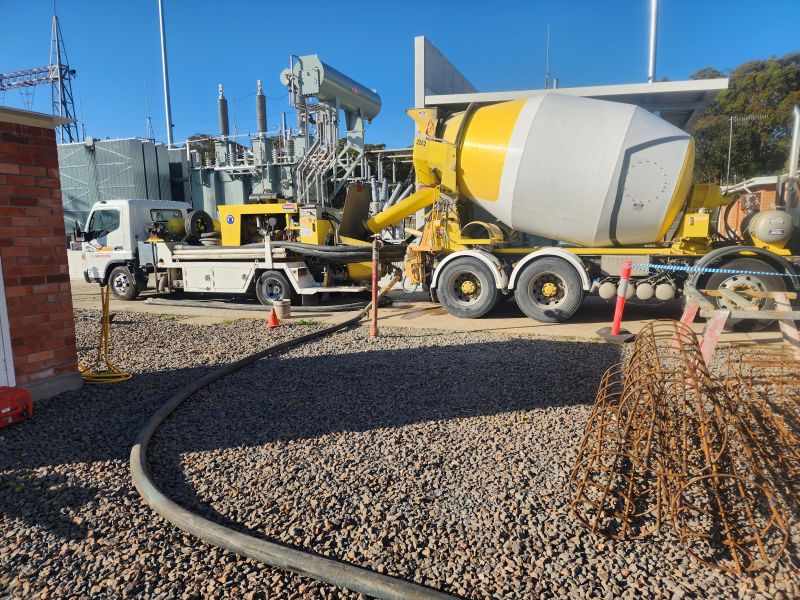
Top 5 Concrete Pumping Safety Protocols for 2025
Concrete Pumping Best Practices Concrete pumping safety in 2025 focuses on training, equipment checks, exclusion zones, and pre-start planning. Knowing the risks and following protocols prevents injury and keeps the job on track. Common Hazards When Operating Concrete Pumps According…
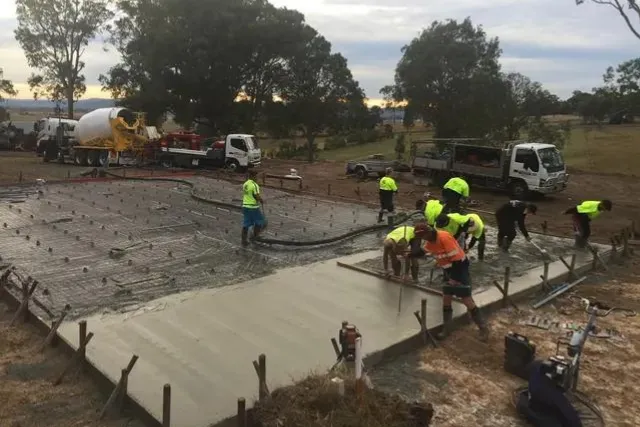
7 Common Mistakes to Avoid When Hiring a Concrete Pump
What To Avoid When Hiring Concrete Pumps Avoid delays and added costs by hiring the right pump, planning the site access, and confirming pour specs. Small oversights lead to big disruptions on concrete jobs. 1. Choosing the Wrong Pump Type…
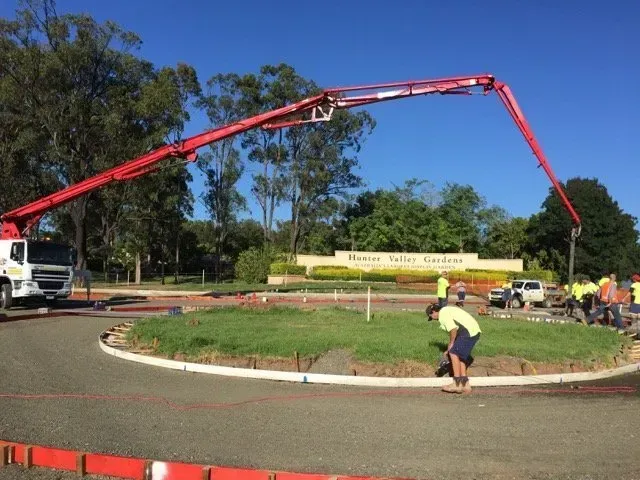
How Concrete Pumping Saves Time and Labour on Civil Sites
Civil Works And Concrete PumpsConcrete pumps reduce labour, speed up delivery, and improve site efficiency on civil jobs. Bridge decks, retaining walls, and road barriers pour quicker and cleaner with the right setup. Faster Placement, Smaller Crew Civil sites move…

Line Pump vs Boom Pump: Which One is Right for Your Construction Project
Line Pump Or Boom Pump Hire? Line pumps suit residential jobs and tight sites. Boom pumps handle high-volume pours and longer reach. The right choice depends on site access, pour scale, and delivery speed. What Line Pumps Do Best Line…

Everything You Need to Know About Concrete Pumping
Concrete pumping is faster, cleaner, and safer than traditional concrete placement. This guide covers everything from pump selection to hire costs, safety, environmental benefits, and common project types across Hunter Valley and Newcastle. Concrete pumping has sped up construction times…
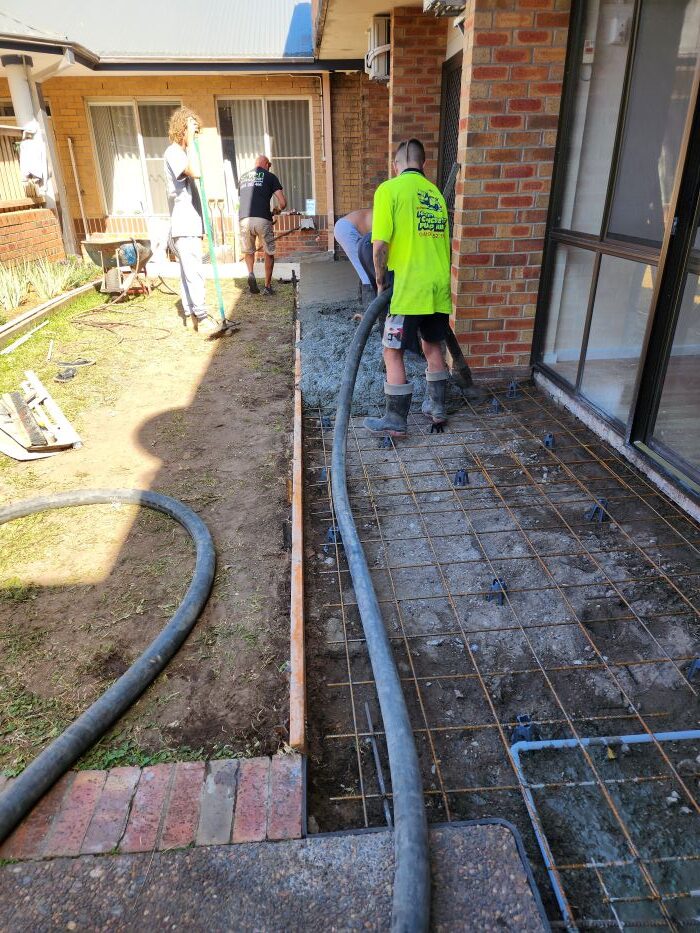
Mini Concrete Pump Hire: What It Is and When You Should Hire One
Small Concrete Pumps Small concrete pumps are compact, powerful machines designed to deliver concrete into hard-to-reach or space-limited areas. Unlike larger boom pumps, a mini pump uses a small hose system to navigate tight access sites, inside buildings, under low…