
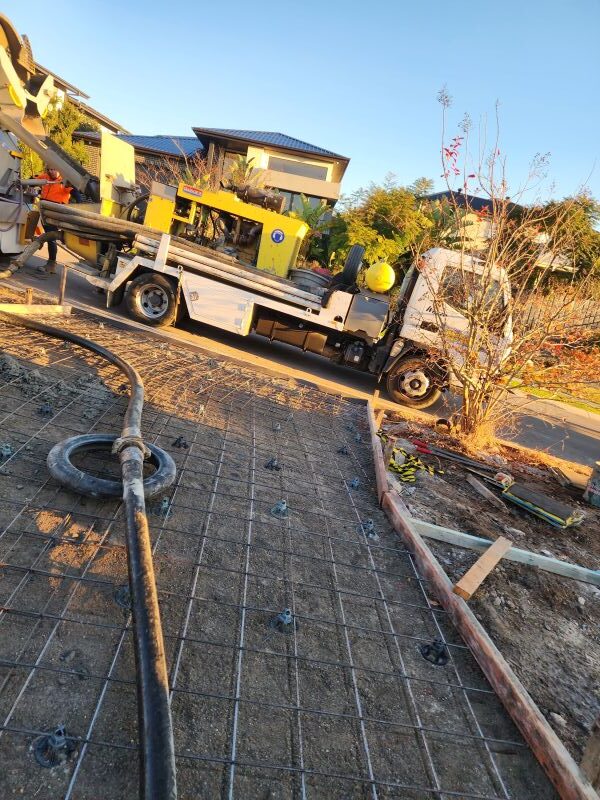
Built Your New Home Or Need To Replace A Damaged Driveway? Read this First!
You’ve just wrapped up building your new home. The frames are in, the roof’s on, and the finish line is in sight. One of the last things on the list? The driveway.
At first glance, it seems simple, form it up, pour the concrete, done. And yes, the job can be that straightforward… if you follow a few key steps.
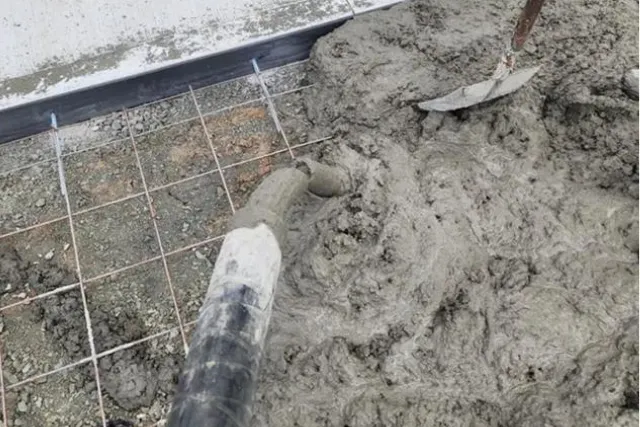
In areas like Newcastle, Lake Macquarie, Maitland and the Hunter Region, any new driveway that connects to public land (like a footpath, kerb or road) may require council approval, especially for the crossover section.
If you’re an owner-builder or taking the reins on a DIY driveway project, here’s how to handle it the right way.
1. Understand What the “Crossover” Is
The crossover is the part of your driveway that crosses the public footpath, nature strip, or kerb to meet the road. This section is technically council-owned land, and altering it without approval can lead to compliance issues, fines, or being required to redo the work.
Key point: Even if you’re doing the driveway yourself, you still need to submit an application for any crossover work.
2. Check if You Need Council Approval
Most local councils require approval before any construction or modification of a driveway that connects to public infrastructure. This includes:
- New driveways
- Widening or modifying existing driveways
- Relocating crossovers
- Altering stormwater drainage linked to the driveway
Council-Specific Links:
- Newcastle City Council: Section 138 Application under the Roads Act
- Lake Macquarie City Council: Driveway Application Form and Guidelines
- Maitland City Council: Driveway applications
For reference, Newcastle Council’s Driveway Crossing Standard Design Details (PDF) outlines the exact specifications for slope, levels, materials, and more.
3. Prepare Your Site Plan
For most council applications, you’ll need to provide a site plan showing:
- Proposed driveway location and dimensions
- Materials to be used (e.g. plain concrete, coloured, exposed aggregate)
- Existing kerb and gutter levels
- Stormwater management (including how water will drain from your driveway)
Your driveway needs to comply with Australian Standards and council engineering requirements — especially regarding fall, width, and stormwater runoff.
4. Hire the Right People (Yes, Even for DIY)
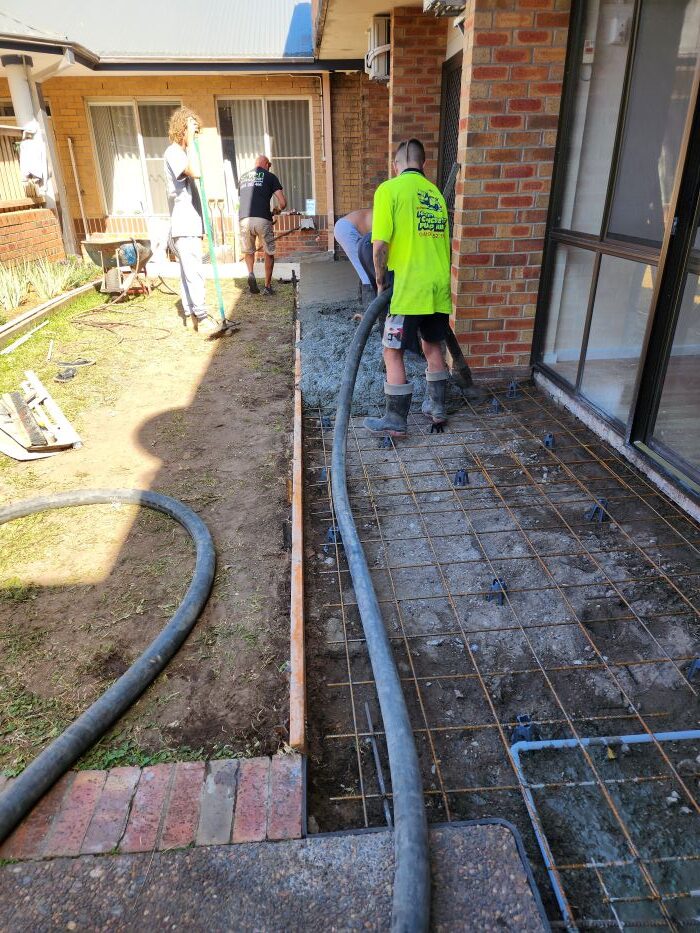
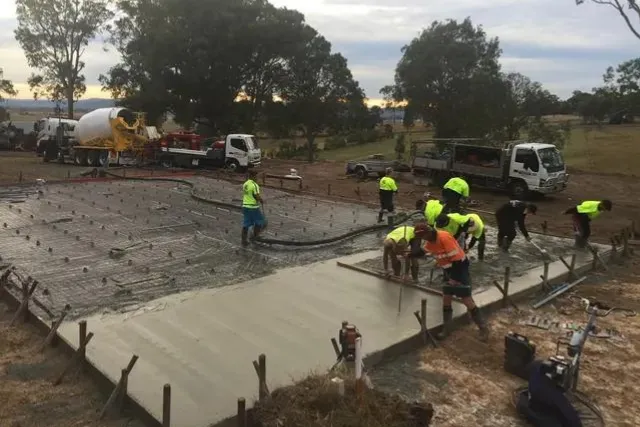
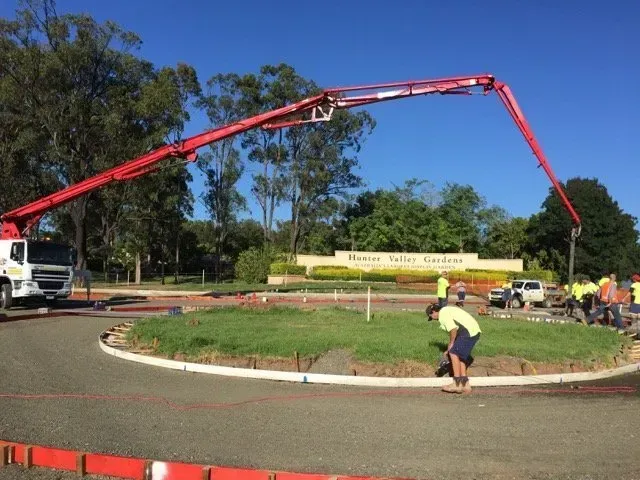
You may be managing the job, but some parts are best left to professionals. A concrete pump crew like Hunter Concrete Pump Hire can help with:
- Accurate concrete placement
- Tight access site planning
- Clean, efficient pours
- Supplying mini or line pumps to suit residential work
We also work with concreters who understand local requirements, and we just want the pour go smoothly without delays.
5. Book Your Concrete and Pump Together
Once your approvals are in place, and the formwork is built, it’s time to schedule:
- Concrete delivery from a trusted local supplier
- Concrete pump hire with the right hose length and access solution
- A crew (if needed) to help place and manage the pour
This coordination is what keeps your driveway pour tidy, smooth, and finished on time.
6. After the Pour: What Councils May Require
After your driveway is poured, councils may require a final inspection — especially if the crossover has been altered.
Make sure:
- The surface is clean, safe and finished to spec
- No concrete has entered drains, kerbs or public land
- All work matches the approved plans
Once signed off, you’re one step closer to completion and council compliance.
Can You Use Hunter Concrete Pump Hire for Your Driveway?
Yes. We work with owner-builders all the time and can:
- Recommend a suitable concrete pump (mini or line pump for most driveways)
- Help coordinate the pour, even if you’re DIYing the rest
- Work with your concreter without overstepping or interfering
We’re transparent, affordable, and experienced with council-compliant pours across Newcastle, Maitland, and the Hunter.
FAQS About Concrete Driveways
Do I always need council approval for a new concrete driveway?
If the driveway connects to the street or crosses a footpath/nature strip, yes — you’ll likely need approval from your local council. Check their Roads Act or driveway construction guidelines.
Can I do the driveway myself?
Yes, many owner-builders handle driveway formwork and prep themselves. However, hiring professionals for pumping and placement can save time and prevent costly mistakes.
How long does approval take?
Approval can take anywhere from 2–4 weeks, depending on your council, site complexity, and submission quality. Planning ahead avoids last-minute delays.
What kind of pump do I need for a driveway?
Most residential driveways use line pumps or mini concrete pumps. These are compact, cost-effective, and perfect for backyard or tight access pours.
Can you help me calculate how much concrete I need?
Yes, send us your slab size (length, width, thickness), and we’ll calculate your concrete volume and suggest a margin for wastage.
Our Services
Get A Free Quote
Contact us today for a free, no-obligation quote on your concrete pumping needs.